Celiak is the host of Lasang Pinoy (Round 2) and wants us to fascinate the world with tales of how we survive every storm that visits our beloved country, the Philippines. From what I know, Philippines suffers from 10 to 30 storms of varying strenght every year. Sometimes, they're devastating, sometimes they're not.
Typhoon season in the Philippines is a mixture of welcome and unwelcome feelings from me. In Baguio where I grew up, it means being isolated from the rest of the Philippines. It also meant that our food supplies coming from the lowlands would possibly be cut off brought about by landslides making our roads impassable. Out of desperation, sometimes farmers try to risk their lives to transport their goods to at least recover some of their farming costs.
It's not altogether bad when news of typhoons reach us. Why? Usually, the news would either be a hit or miss, what with the outdated weather radar our government had at that time? Typhoons are categorized I believe in four signals: 1) Signal number 1 meant that the force of the wind and rain was not truly devastating. Elementary students are still required to attend their classes; 2) Signal number 2 meant that classes in high school are cancelled and chances are, the winds and rain will be quite destructive; 3) Signal number 3 meant classes in colleges and universities are cancelled. You'll have to brace up because the strength of this typhoon is ravaging; 4) It's devastating and deadly.
There were times that PAG-ASA, our weather bureau would announce that the forthcoming storm is categorized as signal number three. Well, that meant all schools were cancelled only to find out that students are having a good time in movie houses because the weather is not that threatening at all. It's shining brightly outside.
There were instances where the storm was categorized as signal number 1 and yet it's raining cats and dogs and you could hardly stay dry and cover the rain with your umbrella.
Now, every time there is news of a strong typhoon hitting our city, milk fishes from fishponds in Pangasinan are often harvested prematurely because chances are these fish pens are going to be flooded anyways and the fishes washed away by the rain. Owners usually harvest them and bring them to Baguio and sell them for a bargain. It won't be any help for us to stock pile them in our freezers because there's a big chance that our power will be out anyway because of strong winds.
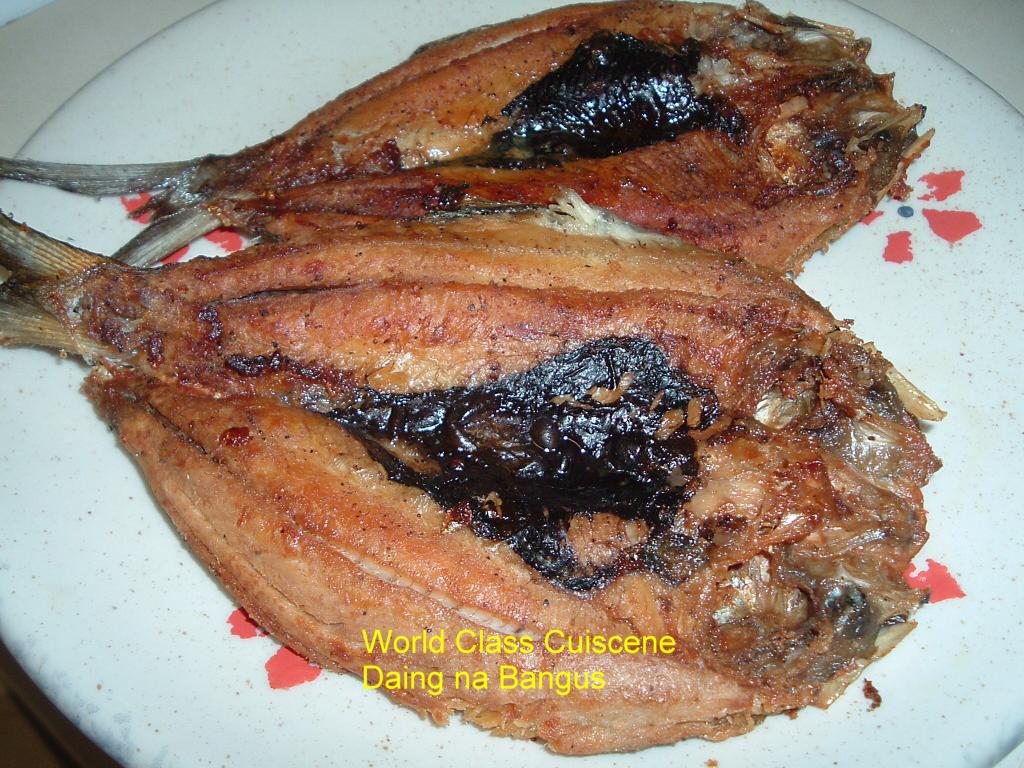
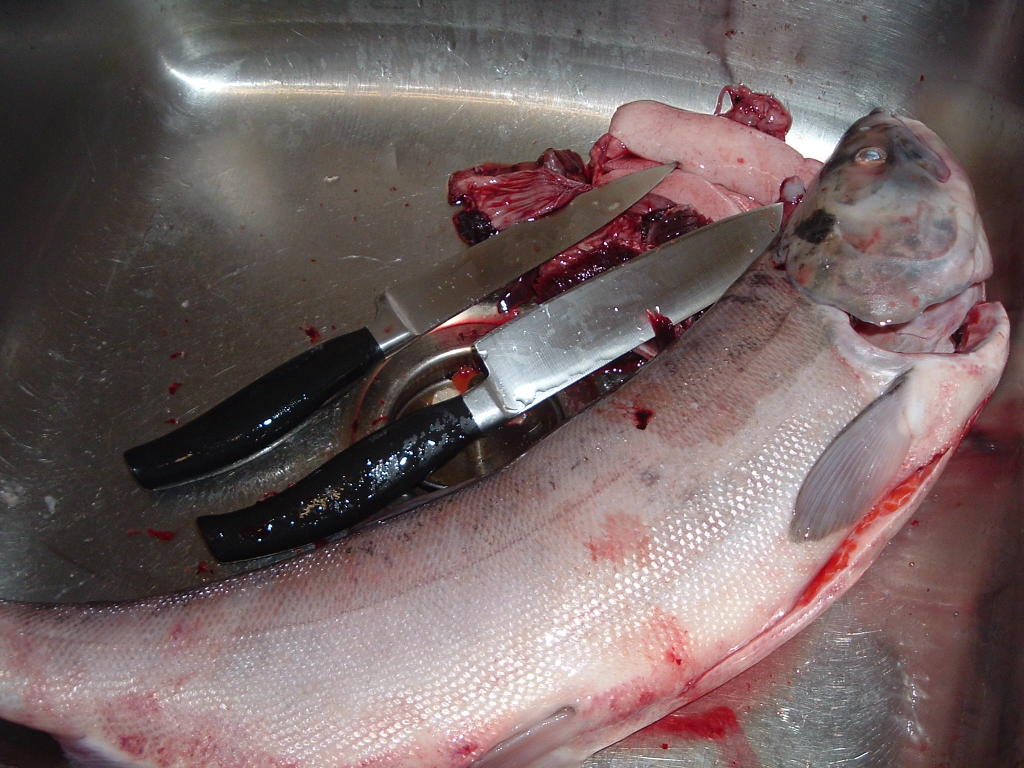
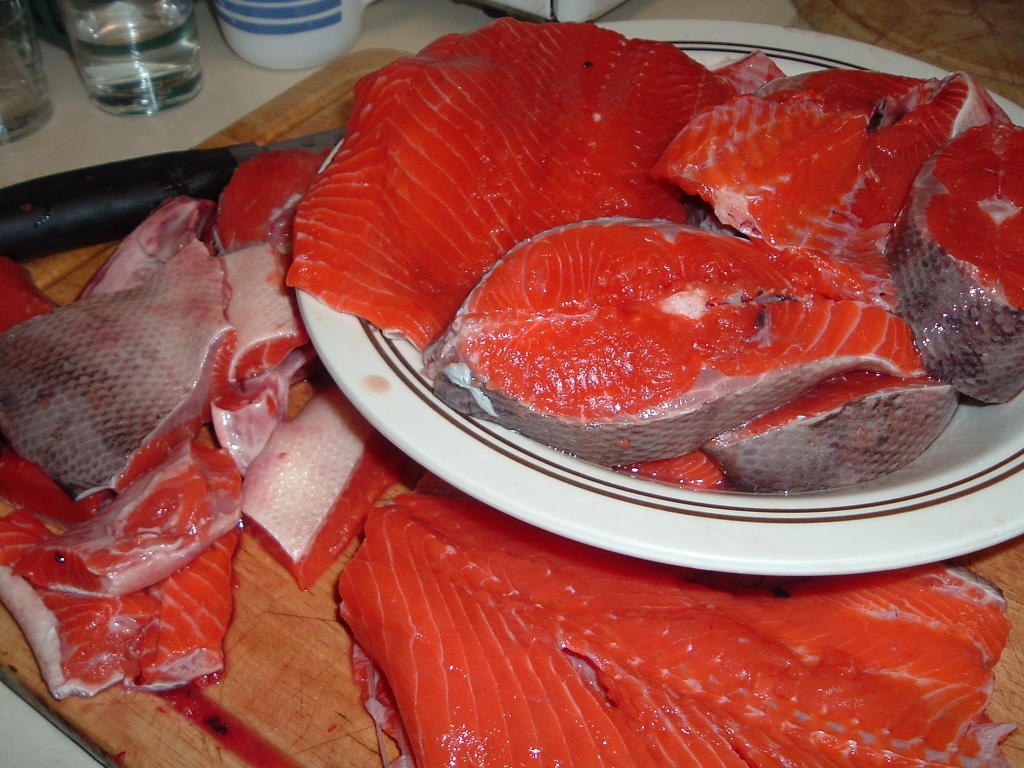
Mother always had a brilliant idea of buying them and filleting them while they're still cheap. She would then marinate them in lots of vinegar, garlic, pepper and soy sauce and fry them. When marinated, these bangus would last for a few days. In fact, the taste gets better if marinated for a few days. She would make sure that she bought enough to last us a few days days before the storm calms down and market stalls open again. We call it daing na bangus.
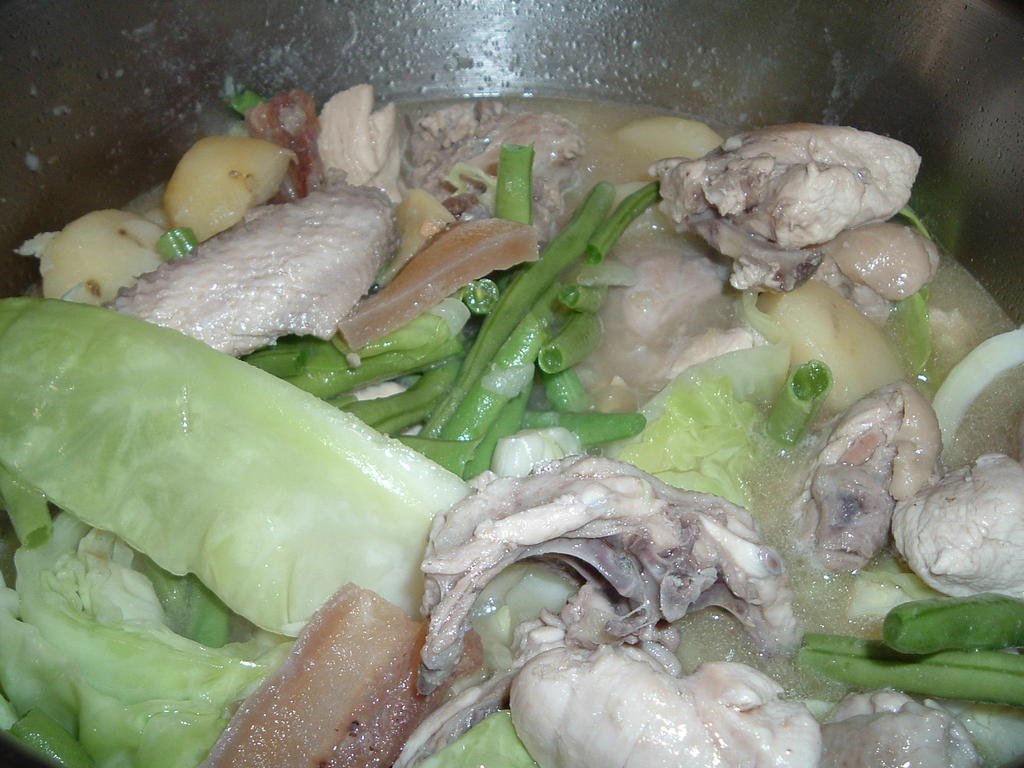
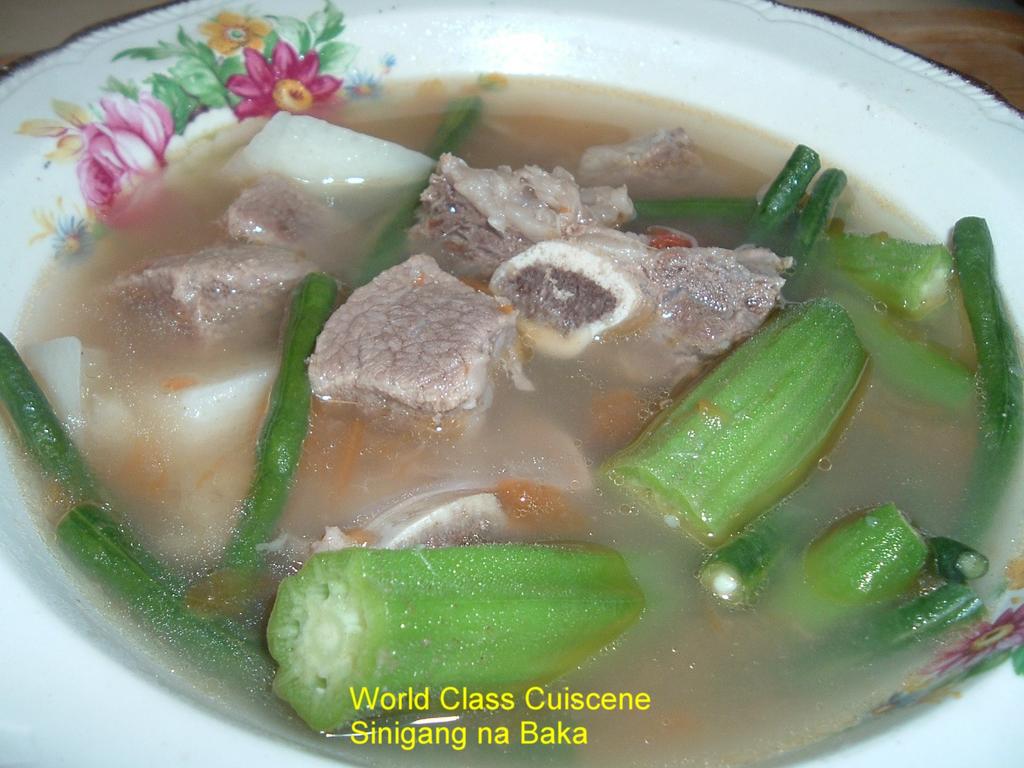
We would usually have sinigang na bangus on the first day of the storm. The next day, we would have fried bangus and the third day, daing na bangus. Better enjoy them while they last because once business is back, their prices would skyrocket.
 What about the monsoon rain? It's not definitely a welcome one for me. First of all, the rain never stops for weeks. I remember when I was young; it would rain continuously for over a month. Of course because it's only a monsoon rain, classes are not cancelled. As soon as you get out of the house, your pants and runners are already soaked. Drying your clothes takes forever. Because we don't have dryers in Baguio, sometimes-even electricity, we hang our clothes to dry. It takes about 3 days to dry them and the smell is always unwanted. Well, it would be a mixture of a rotten smell with food that you've cooked for the past few days. Because prices of goods during this time is really high or sometimes because we're isolated, supplies of vegetables from the lowlands is scarce, we depend on canned goods and dried fish for sustenance. Cooking dried fish inside the house when all windows are shut will make you think twice before cooking dried fish. For some reason though, it is when the weather is cold that dried fish taste so good.
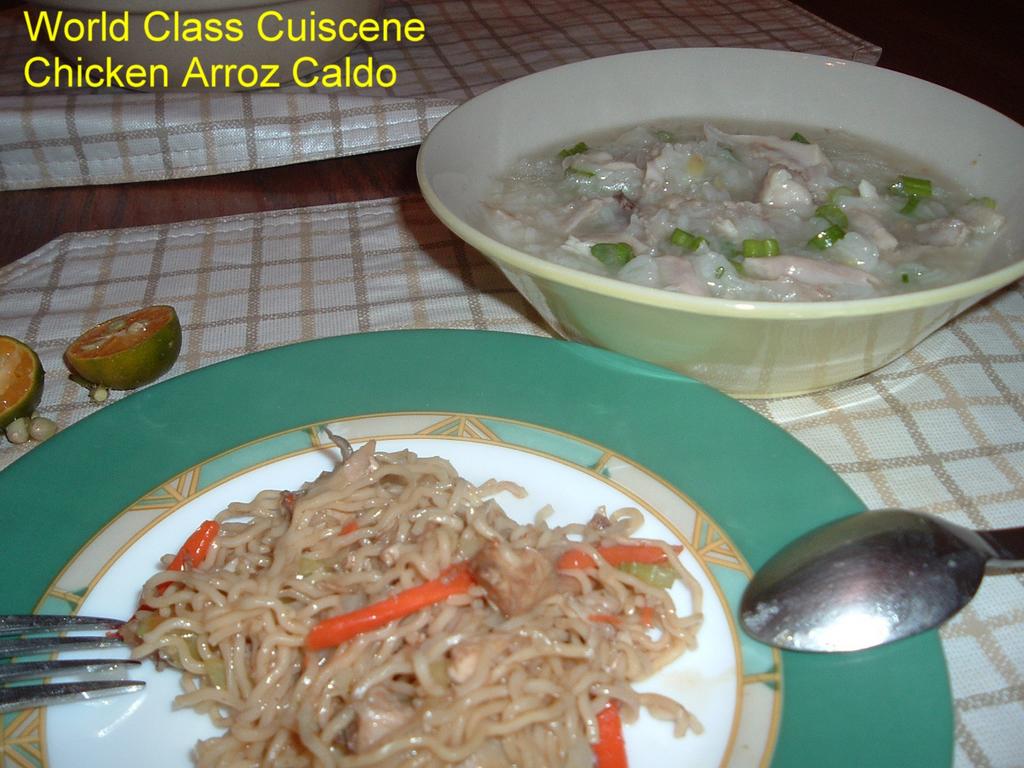
There is this part of the city that gets flooded everytime our city gets hit by a storm. It's literally a hole with no drainage. The water level sometimes gets to their rooftop and it takes days for the water to subside. But Baguio City is above sea level, you might say? Rescue operations are often focused on this part of the city. I have reached a point in my life where I basically lost sympathy for the people who lived there. They seem to not have learned their lessons but who are we to judge them. A friend told me that it's the only property they have and their only way of staying in the city.Well, when the storm calms and we're ready to pick up the pieces, sometimes mother prepares arroz caldo for us. She however makes sure that the chicken she buys from the market are not "double-dead".
Typhoon season in the Philippines is a mixture of welcome and unwelcome feelings from me. In Baguio where I grew up, it means being isolated from the rest of the Philippines. It also meant that our food supplies coming from the lowlands would possibly be cut off brought about by landslides making our roads impassable. Out of desperation, sometimes farmers try to risk their lives to transport their goods to at least recover some of their farming costs.
It's not altogether bad when news of typhoons reach us. Why? Usually, the news would either be a hit or miss, what with the outdated weather radar our government had at that time? Typhoons are categorized I believe in four signals: 1) Signal number 1 meant that the force of the wind and rain was not truly devastating. Elementary students are still required to attend their classes; 2) Signal number 2 meant that classes in high school are cancelled and chances are, the winds and rain will be quite destructive; 3) Signal number 3 meant classes in colleges and universities are cancelled. You'll have to brace up because the strength of this typhoon is ravaging; 4) It's devastating and deadly.
There were times that PAG-ASA, our weather bureau would announce that the forthcoming
 storm is categorized as signal number three. Well, that meant all schools were cancelled only to find out that students are having a good time in movie houses because the weather is not that threatening at all. It's shining brightly outside.
There were instances where the storm was categorized as signal number 1 and yet it's raining cats and dogs and you could hardly stay dry and cover the rain with your umbrella.
Now, every time there is news of a strong typhoon hitting our city, milk fishes from fishponds in Pangasinan are often harvested prematurely because chances are these fish pens are going to be flooded anyways and the fishes washed away by the rain. Owners usually harvest them and bring them to Baguio and sell them for a bargain. It won't be any help for us to stock pile them in our freezers because there's a big chance that our power will be out anyway because of strong winds.
Mother always had a brilliant idea of buying them and filleting them while they're still cheap. She would then marinate them in lots of vinegar, garlic, pepper and soy sauce and fry them. When marinated, these bangus would last for a few days. In fact, the taste gets better if marinated for a few days. She would make sure that she bought enough to last us a few days days before the storm calms down and market stalls open again. We call it daing na bangus.
We would usually have sinigang na bangus on the first day of the storm. The next day, we would have fried bangus and the third day, daing na bangus. Better enjoy them while they last because once business is back, their prices would skyrocket.
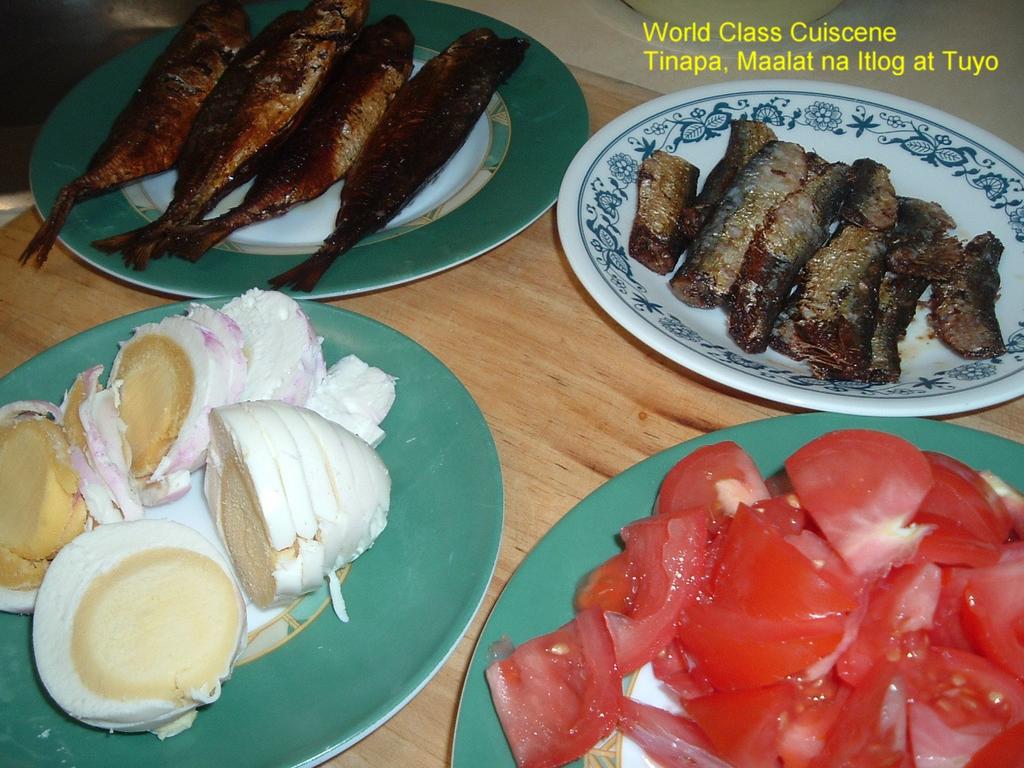 What about the monsoon rain? It's not definitely a welcome one for me. First of all, the rain never stops for weeks. I remember when I was young; it would rain continuously for over a month. Of course because it's only a monsoon rain, classes are not cancelled. As soon as you get out of the house, your pants and runners are already soaked. Drying your clothes takes forever. Because we don't have dryers in Baguio, sometimes-even electricity, we hang our clothes to dry. It takes about 3 days to dry them and the smell is always unwanted. Well, it would be a mixture of a rotten smell with food that you've cooked for the past few days. Because prices of goods during this time is really high or sometimes because we're isolated, supplies of vegetables from the lowlands is scarce, we depend on canned goods and dried fish for sustenance. Cooking dried fish inside the house when all windows are shut will make you think twice before cooking dried fish. For some reason though, it is when the weather is cold that dried fish taste so good.
There is this part of the city that gets flooded everytime our city gets hit by a storm. It's literally a hole with no drainage. The water level sometimes gets to their rooftop and it takes days for the water to subside. But Baguio City is above sea level, you might say? Rescue operations are often focused on this part of the city. I have reached a point in my life where I basically lost sympathy for the people who lived there. They seem to not have learned their lessons but who are we to judge them. A friend told me that it's the only property they have and their only way of staying in the city.Well, when the storm calms and we're ready to pick up the pieces, sometimes mother prepares arroz caldo for us. She however makes sure that the chicken she buys from the market are not "double-dead".












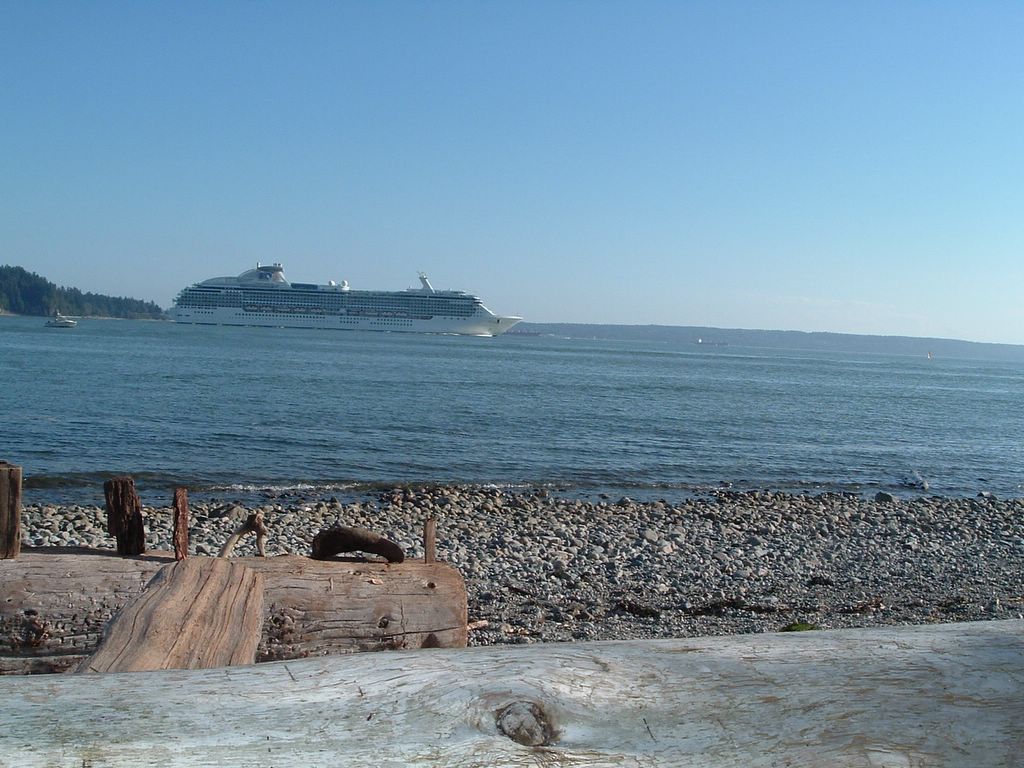






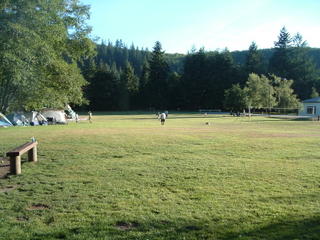 The place reminded me so much of Baguio City and Camp John Hay. After all, this is also a US military recreational facility like Camp John Hay. The area was so massive, really huge!